Graphics
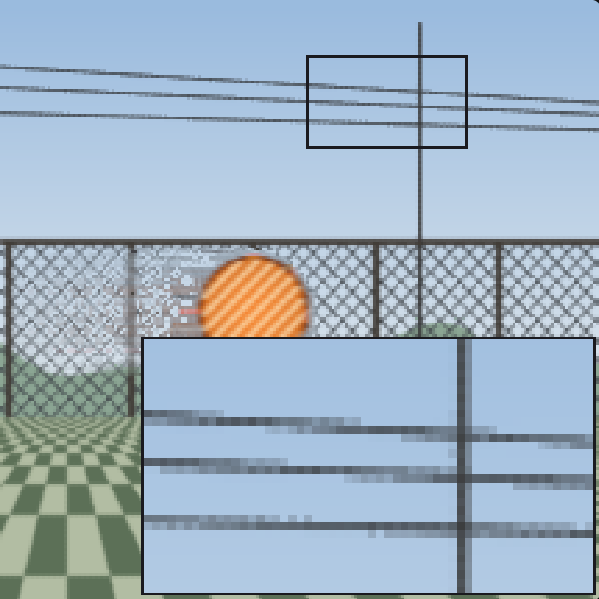
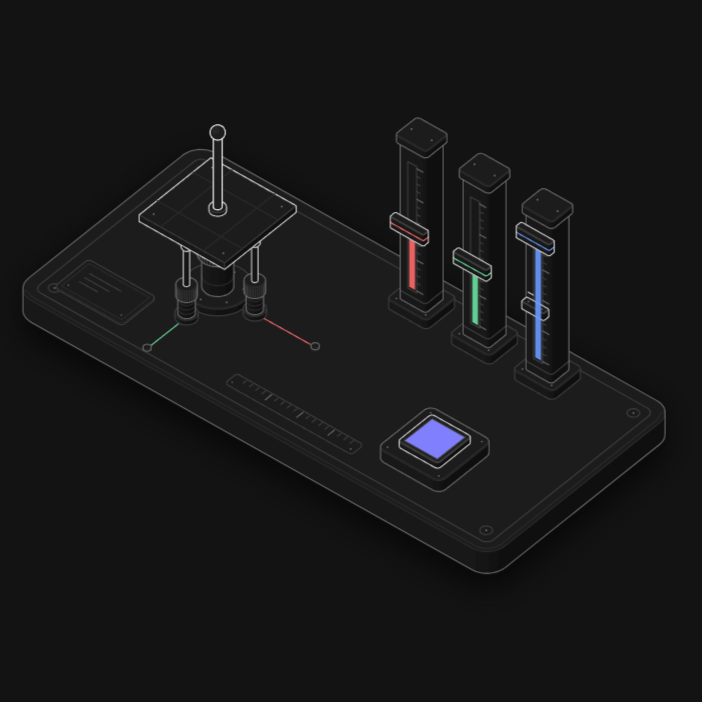
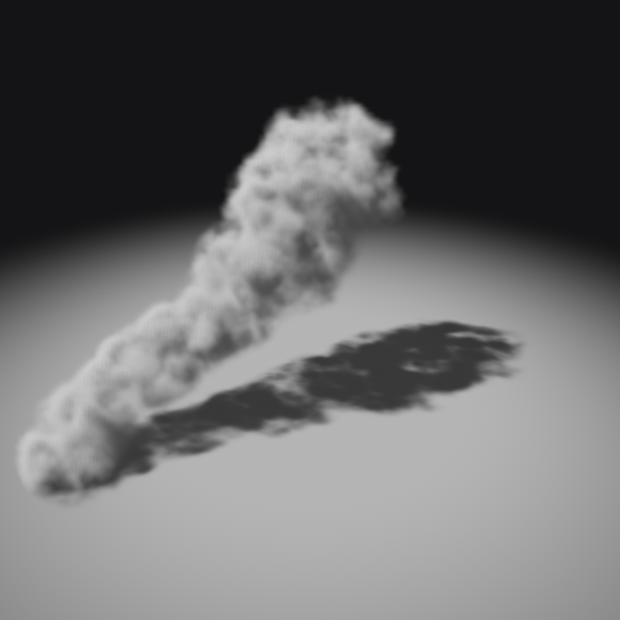
The smoke gadget in 007 First Light simulates the shape of its smoke ahead of release and computes only the light and shadows every frame. Following IOI's SIGGRAPH 2026 talk, I go through why real-time simulation was dropped, 4×4×4 bricks and 4-bit compression, empty-space skipping, the light the smoke receives and the shadows it casts, and the 450 volumes that spread across the whole game.
The places Call of Duty: Modern Warfare 4 draws harder are the areas just uncovered, and the centre of the screen. It keeps the total number of rays cast per frame the same, takes rays away from areas that have been stable for a while and gives them to areas just uncovered. Whatever is left over goes to the centre of the screen first. The talk calls this bundle VRRT (variable rate ray tracing).
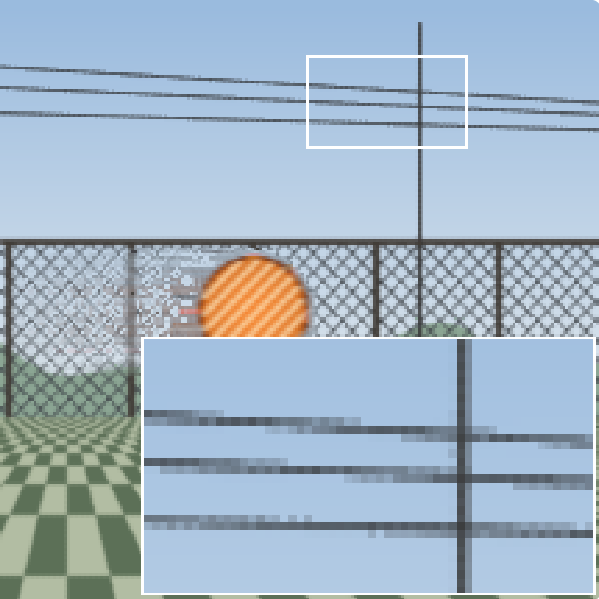
Modern games draw a 4K screen at a lower resolution and scale it up. I walk through why, by way of pixel cost, jitter and accumulation, reprojection and history clamping, then look at the job machine learning took over from DLSS 2 onwards.
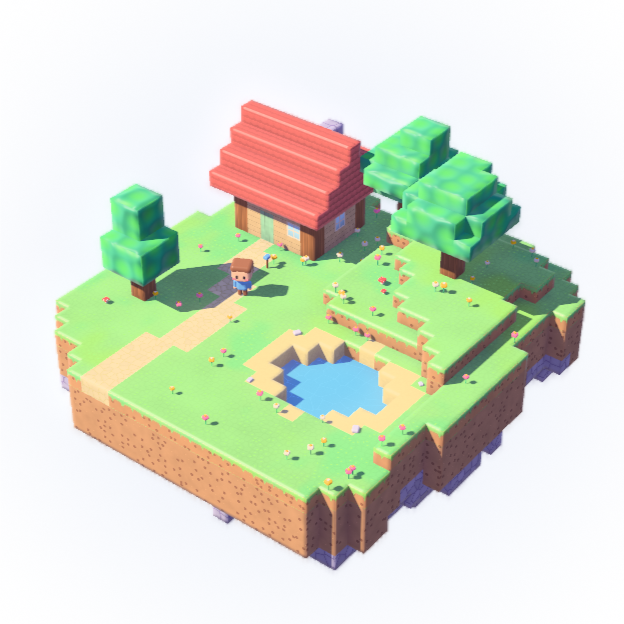
However round and large a block is, dirt has to read as dirt and wood as wood at a glance. The pattern does most of this work, while the surface of a sweet, a sugar-glaze sheen and light seeping in a little as in jelly, is mostly the lighting maths. Making it look like a miniature is nearly all tilt-shift.
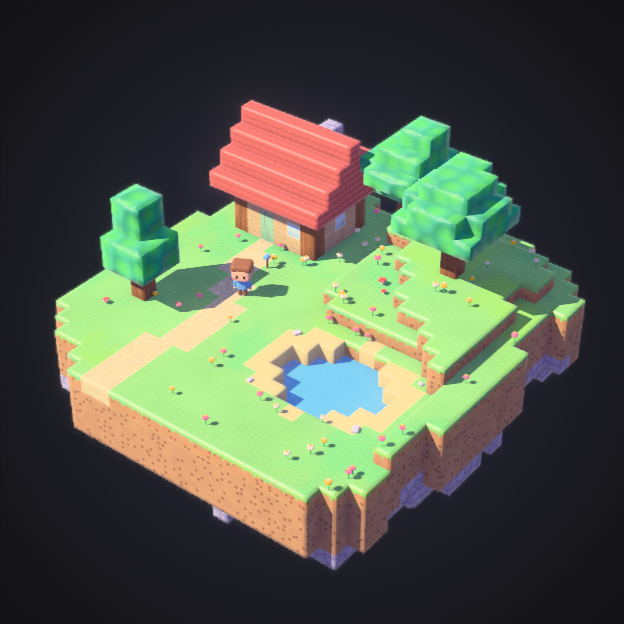
By the numbers, a face the light can't reach should be pitch black. In the real world, shade only hides the sun; it still receives sky light and light bounced off the ground. Games fake that light cheaply, and they choose the colours themselves so that colour remains in the shade.
A world built only from cubes looks like a toy you could hold rather than hard CG because the blocks are not actually drawn sharp. Round the edges a little and those spots catch the light as thin highlight lines, and add characters whose heads are big next to the blocks, and a camera that shoots narrow from far away, and the whole world reads as a small toy.
Why normal maps are almost always that lavender blue, explained through the rule that turns a vector into a colour, tangent space and the TBN matrix. Also covers the green-channel split between OpenGL and DirectX, and compression that drops the blue channel entirely.